Pinky Unicorn Font: A Creative Touch
There I was, staring at a blank brand board, trying to figure out how to make a small café feel warm and inviting. The client wanted something that felt personal, almost like a handwritten note from a friend. That’s when I stumbled upon Pinky Unicorn—a sweet and friendly handwritten font that immediately caught my eye.
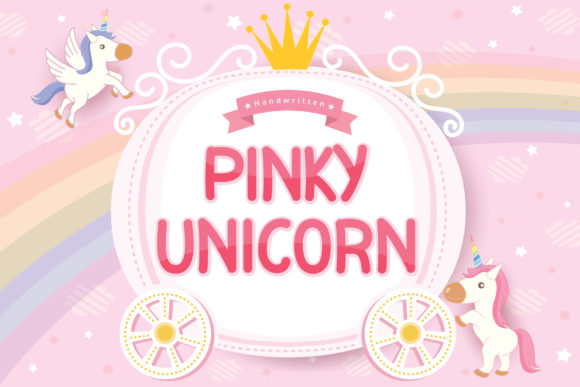
As a designer, I often look for fonts that can bring a sense of character to a project. Pinky Unicorn does exactly that. Its natural, flowing strokes give it a handcrafted feel, making it perfect for brands that want to stand out without being too formal. It's not just a font; it's a personality on its own.
Testing it on a logo draft was the first step. I played with different sizes and placements, seeing how it interacted with other elements. The font had a softness that made it ideal for a café’s name, especially when paired with a simple, clean background. It didn’t overpower the design but added just the right amount of charm.
Designing with Pinky Unicorn
Once the logo felt right, I moved on to the next phase—packaging design. The café needed labels for their coffee bags, and Pinky Unicorn worked beautifully there too. The font’s unique style gave each label a handmade touch, which aligned perfectly with the brand’s identity. It looked great on both white and colored backgrounds, offering flexibility in design choices.
I also used it on social media graphics. The font’s playful nature made it stand out on Instagram posts, where visual appeal is key. Whether it was a promotional banner or a seasonal post, Pinky Unicorn brought a sense of fun and approachability that resonated with the audience.
For printed marketing materials, such as flyers and posters, the font maintained its readability while still adding a distinctive flair. It wasn’t too ornate, so it didn’t distract from the message. Instead, it complemented the overall design, making the content more engaging.
When to Use Pinky Unicorn
Pinky Unicorn works best as a display or headline font. Its handwritten style makes it ideal for logos, titles, and short-form text. However, it’s not the best choice for long paragraphs due to its cursive nature, which can affect readability.
In a branding project, it’s important to consider how the font will be used across different mediums. For instance, on a shop sign, it adds a personal touch that can make a business feel more welcoming. On a business card, it stands out without being overwhelming, giving the brand a memorable visual identity.
When designing for digital platforms, such as website headers or hero sections, Pinky Unicorn can create a strong visual impact. It pairs well with modern typography, especially when balanced with a serif or sans serif font. This contrast helps maintain a professional look while still allowing the font to shine.
Practical Tips for Using Pinky Unicorn
Before committing to a full brand system, I always recommend testing the font in various contexts. Try it on different mockups—like product packaging, social media templates, or signage—to see how it performs. This helps ensure it fits the brand’s overall aesthetic and messaging.
Another thing to consider is font pairing. While Pinky Unicorn is a standout on its own, it can also work well with other typefaces. For example, pairing it with a clean sans serif font can create a nice balance between creativity and professionalism. Alternatively, using it alongside a classic serif font can add a touch of elegance to the design.
It’s also worth checking the font’s features, such as alternates, ligatures, and multilingual support. These details can make a big difference in the final outcome, especially if the brand operates in multiple regions or languages.
Final Thoughts
Using Pinky Unicorn in a real branding project has been an enjoyable experience. Its friendly and natural style adds a unique touch that can elevate a design from ordinary to unforgettable. Whether it’s for a café, boutique, or any creative business, this font offers a versatile and expressive option for designers looking to make an impression.
As I wrap up this project, I’m confident that Pinky Unicorn will continue to be a go-to font for future branding efforts. It’s a reminder that sometimes, the simplest designs can have the biggest impact.
For any designer looking to add a personal and creative touch to their work, Pinky Unicorn is definitely worth exploring. Its charm and versatility make it a valuable addition to any design toolkit.